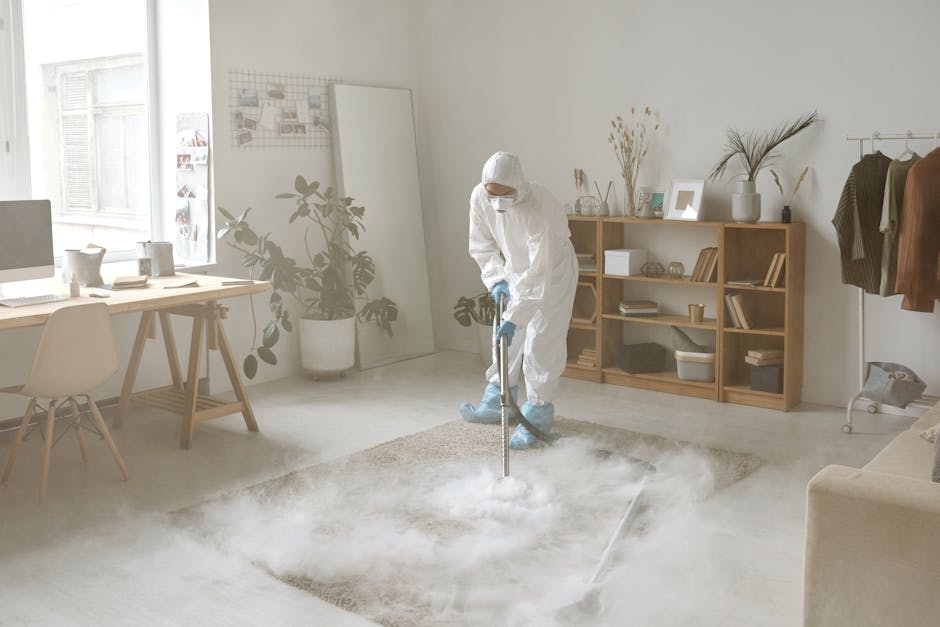
What to know about carpet cleaning insurance and certification
If you are comparing carpet cleaners, the paperwork can matter just as much as the price. What to know about carpet cleaning insurance and certification is not just a box-ticking question; it is the difference between hiring someone who is prepared and someone who is hoping nothing goes wrong. In a real home, with a moved sofa, a damp hallway, or a stubborn wine stain near the skirting board, small mistakes can become expensive very quickly.
Truth be told, most people do not ask about insurance until they need it. By then, of course, the damage is already done. This guide explains how carpet cleaning insurance and certification work, why they matter, what a good cleaner should be able to show you, and how to make a sensible choice without getting lost in jargon.
We will also cover practical checks, common pitfalls, and the real-world signs of a cleaner who takes their work seriously. If you are a homeowner, tenant, landlord, letting agent, or business manager, this is the kind of detail that saves time, money, and awkward phone calls later.
One small note before we get into it: insurance and certification are not the same thing. A cleaner can have one without the other. The best operators usually have both, plus a clear insurance and safety approach that helps you feel confident from the first conversation.
Table of Contents
- Why carpet cleaning insurance and certification matters
- How carpet cleaning insurance and certification works
- Key benefits and practical advantages
- Who this is for and when it makes sense
- Step-by-step guidance
- Expert tips for better results
- Common mistakes to avoid
- Tools, resources and recommendations
- Law, compliance, standards, or best practice
- Options, methods, or comparison table
- Case study or real-world example
- Practical checklist
- Conclusion
- Frequently asked questions
Why carpet cleaning insurance and certification matters
Carpet cleaning looks straightforward from the outside. A machine, some solution, a bit of agitation, a rinse, and done. But in the real world there is much more going on: delicate fibres, dye stability, moisture control, slippery floors, electrical equipment, furniture moving, and the occasional hidden issue under the pile. That is where insurance and certification start to matter.
Insurance is there to protect against accidental damage, injury, or other problems linked to the job. Certification usually shows that a cleaner has trained in methods, safety, stain treatment, fibre recognition, or equipment use. Neither is a guarantee of perfection. But together they tell you the cleaner is not winging it.
Let's face it, anyone can buy a machine and call themselves a carpet cleaner. That does not mean they understand wool, synthetic blends, colourfastness, or how to avoid overwetting a room in a London flat where ventilation is not brilliant and drying time matters. A properly trained and insured cleaner is more likely to protect your flooring, your furniture, and your peace of mind.
This matters even more for rental properties, commercial settings, and busy family homes. In those situations, one mistake can become a complaint, a claim, or a very grumpy afternoon.
There is also a trust factor. If a cleaner is willing to talk clearly about their cover, their process, and their training, that usually signals a more professional business overall. You will often see that reflected in how they handle pricing and quotes, too. Transparent businesses tend to be more comfortable being transparent everywhere else.
How carpet cleaning insurance and certification works
It helps to separate the two ideas.
How insurance works
Carpet cleaning insurance usually means the business carries cover relevant to the work it carries out. That may include public liability insurance, treatment-risk cover, or other business insurance depending on the provider and the services offered. The exact policy details vary, so you should not assume every policy protects against every scenario.
In plain English, public liability insurance may help if the cleaner accidentally causes injury or property damage while working in your home or premises. For example, if a technician knocks over a lamp, damages a skirting board, or leaves a surface dangerously wet and someone slips, the business should be able to explain how the cover works.
It is worth asking what the policy actually includes. A cleaner saying "I'm insured" is a start, not the finish. Which insurer? What type of cover? Is there treatment-risk cover for accidental damage caused by the cleaning process itself? These are sensible questions, not awkward ones.
How certification works
Certification usually means the cleaner has completed training or assessment through an industry body, manufacturer programme, or specialist course. Some certificates focus on carpet fibre identification, cleaning methods, spotting colour loss, or safe chemical use. Others may relate to upholstery, stain removal, or commercial cleaning procedures.
The key point is that certification suggests a baseline of knowledge. It does not magically make every cleaner elite. But it does show they have learned something formal rather than just trial-and-erroring their way through your hallway carpet. And honestly, that matters.
In a good business, insurance and certification support each other. Training reduces the chance of a problem; insurance helps if a problem still happens. That is the basic logic, and it is a solid one.
What a professional cleaner should be able to explain
- What cover they hold and whether it is current
- What their certification covers, and who issued it
- How they assess fibre type and stain risk before cleaning
- What they do to protect floors, furniture, and walls
- How long drying usually takes, and what affects it
- What happens if something goes wrong on the day
If you get vague answers, that is a signal. Not always a red flag, but enough to keep asking.
Key benefits and practical advantages
There are practical reasons to care about this beyond "professionalism" in the abstract.
1. Better protection for your property
Carpets are often expensive to replace, especially in larger homes or commercial premises. Insurance-backed, trained cleaners are more likely to use the right method for the fabric and the soil level, which reduces the chance of damage. That can mean less browning, less shrinkage, and fewer sticky residues left behind.
2. More consistent cleaning results
Certified cleaners are often better at diagnosing the problem first. Is that mark a stain, a dye loss, a traffic lane, or something that has been sitting there long enough to become part of the carpet's personality? Knowing the difference matters. It changes the chemical choice, moisture level, and finish.
3. Lower risk in busy environments
In offices, letting properties, schools, and rental units, carpet cleaning can involve people moving around, staged access, and tight schedules. Insurance and training help manage the risk. They also give the client a more defensible position if an issue arises.
4. Better communication and accountability
Businesses that invest in training and cover often communicate better. They are more likely to explain limitations, aftercare, and realistic outcomes. That saves everyone from the annoying version of optimism where someone promises miracles and then says, "Oh, that stain? tricky one."
5. Stronger trust for first-time customers
If you have never used a cleaner before, the decision can feel oddly personal. You are letting someone into your home, near your furniture, often when the place already looks a bit lived-in. Knowing they are properly insured and trained can take the edge off.
Practical takeaway: insurance helps protect you if something goes wrong; certification helps reduce the chance that it does. You want both where possible, not one as a substitute for the other.
Who this is for and when it makes sense
This topic matters to more people than you might think.
Homeowners
If you have wool carpets, light-coloured lounges, stairs with heavy footfall, or a mix of old and new flooring, the wrong method can be costly. Homeowners often want reassurance that a cleaner understands materials as well as stains.
Tenants and landlords
End-of-tenancy cleaning is one of the biggest reasons people start asking about insurance and certification. Tenants want to avoid deductions; landlords want the property returned in good condition. If a cleaner causes damage during a rushed visit, it becomes a messy conversation fast. If you are preparing for a move, a professional service such as carpet cleaning can be part of a broader clean-up plan alongside other soft-furnishing work.
Letting agents and property managers
These clients need proof, not just promises. They may need a cleaner who can work with access arrangements, invoices, and property handovers. Insurance is often non-negotiable here. So is consistency.
Businesses and commercial premises
Commercial carpet cleaning can involve public-facing areas, late hours, and health and safety procedures. A certified, insured cleaner is usually a better fit for offices, shops, hospitality spaces, and managed buildings. If the job is larger or more complex, commercial carpet cleaning is where those credentials become especially relevant.
People with pets, allergies, or children
These homes often need more thoughtful product choices and drying advice. A trained cleaner is more likely to consider odour control, safe residues, and ventilation. If pet accidents are part of the story, services like pet stain odour removal may be more appropriate than a standard surface clean.
Step-by-step guidance
If you are choosing a carpet cleaner and want to do it properly, use a simple process. Nothing fancy. Just sensible.
- Check the basics first. Ask whether they are insured, what kind of insurance they hold, and whether it is current.
- Ask about training. What certification or training have they completed? Was it carpet-specific or general cleaning training?
- Look for assessment, not slogans. A real professional should be able to explain how they identify fibre type, stain type, and the safest method.
- Ask about pre-inspection. Good cleaners usually inspect carpets before starting, especially if there are delicate fibres or visible damage.
- Discuss the method. Steam cleaning, hot water extraction, low-moisture cleaning, and spot treatment all have different strengths. The cleaner should explain why they recommend one approach over another.
- Clarify aftercare. Ask about drying time, ventilation, and when furniture can go back.
- Get the scope in writing. The quote should say what is included, what is not, and whether stain protection or deodorising is extra.
- Check contact details and complaints handling. If something goes wrong, you want to know how the business handles issues.
That sounds like a lot written out, but in practice it is a short conversation. Five minutes, maybe ten if the cleaner is thorough. Worth it.
If you are comparing services, a good starting point is the business's guide to identifying quality carpet cleaning services, because the same habits that signal good service usually show up in how they discuss cover and training.
Expert tips for better results
After enough carpet jobs, you start to see patterns. The best results usually come from a mix of preparation, communication, and realistic expectations.
Tip 1: Ask about fibre, not just stains
A stain on wool behaves differently from a stain on polypropylene. The cleaner should know that instinctively. If they only talk about stains and never mention fibre type, that is a bit thin.
Tip 2: Be honest about what happened
If the spill was red wine, paint, pet urine, or muddy boots after a wet London walk, say so. The more accurate the information, the better the treatment. Hiding the real cause rarely helps.
Tip 3: Watch how they talk about guarantees
Responsible cleaners do not promise to remove everything. Some stains are permanent, some are chemical reactions, and some have been there too long. A professional answer often sounds a little cautious, because that is what expertise sounds like in real life.
Tip 4: Ask what they do to protect edges and furniture
Good cleaners think beyond the visible carpet. They may use corner guards, protective pads, or careful hose routing. It is the small details that stop a job feeling rushed.
Tip 5: Plan for drying time
If someone says a thick carpet in a cool room will be dry instantly, be sceptical. Drying depends on fibre, airflow, weather, and method. On a damp morning, even a well-done job can need time. A fan by the window and a bit of common sense helps.
Tip 6: Make sure the price reflects the work
A very low quote can mean limited insurance, thin training, or hidden extras. Not always, but often enough to ask questions. If the quote is unusually cheap, do a little more digging before you hand over the keys.
Common mistakes to avoid
People usually do not choose badly on purpose. They just get busy, or the carpet looks worse than the paperwork, and they want the job done quickly. Fair enough. But a few mistakes come up again and again.
- Assuming insurance is automatic. It is not. Ask for confirmation.
- Thinking certification equals perfection. It does not. It simply improves the odds.
- Choosing only by price. The cheapest option can become the most expensive if something gets damaged.
- Not checking what the cover excludes. Some policies have limits and exclusions that matter.
- Failing to mention fibre type or previous treatment. Pre-existing issues can change the whole plan.
- Using a one-size-fits-all method. Steam cleaning is useful, but not always ideal for every carpet or stain.
- Ignoring drying advice. Walking on a damp carpet too soon can leave marks or soil transfer.
A small real-world example: someone books a cleaner for a flat after a party. There are drink marks, foot traffic, and a rug moved out of the way last minute. The cleaner arrives, starts fast, and everything looks fine for an hour. Then the underlay has held too much moisture and the room smells damp by evening. A trained cleaner would likely have adjusted the method, checked airflow, and explained drying time more carefully. That sort of thing is easy to miss if you do not ask.
Tools, resources and recommendations
You do not need to become a carpet care expert to choose well, but a few tools and reference points make the decision easier.
Useful things to look for
- A written quotation with clearly listed inclusions
- Proof of insurance on request
- Evidence of training or certification
- Before-and-after explanations of the recommended method
- Pre-treatment options for spots and traffic lanes
- Aftercare guidance for drying and maintenance
Helpful service areas to understand
Sometimes carpet cleaning is part of a broader home-care plan. If that is the case, related services like stain removal, steam carpet cleaning, rug cleaning, and upholstery cleaning may be worth discussing, especially if you want one company to handle several soft furnishings in the same visit.
Small but valuable recommendations
Ask for a moisture-aware method if the property is older or poorly ventilated. In a Victorian terrace or a compact flat, over-wetting is one of those little problems that turns into a bigger one. Also ask whether the company has a health and safety approach for hoses, cable management, and slip prevention. A tidy workspace says a lot.
For background reading on how a business handles safety and insurance in practice, their health and safety policy can tell you more than you might expect. Not exciting, perhaps, but useful.
Law, compliance, standards, or best practice
This is not legal advice, but it is fair to say that professional cleaners in the UK are expected to work responsibly, keep clients reasonably safe, and operate with suitable business cover. In practice, that means using sensible risk controls, avoiding damage, handling chemicals carefully, and being clear about what the service can and cannot do.
Best practice usually includes:
- Keeping insurance in force and being able to evidence it
- Using products in line with the manufacturer guidance
- Assessing surfaces before cleaning
- Managing slip risks during and after the job
- Explaining limitations around stains, fading, and wear
- Handling complaints through a proper process rather than improvising
For clients, the compliance angle is mostly about diligence. If you are hiring for a landlord portfolio, managed block, or commercial site, you may need to check insurance, access arrangements, and cleaning method before sign-off. It is a bit less glamorous than choosing a scent or finish, but more useful when things get complicated.
You can also learn a lot from the company's wider policies. For example, their terms and conditions and complaints procedure should tell you how they work if a dispute arises. That sort of transparency is usually a good sign.
Options, methods, or comparison table
Carpet cleaners may use different methods depending on the fibre, soil level, and drying constraints. Certification often helps a cleaner choose properly, because one method is not always best for every job.
| Method | Best for | Pros | Watch-outs |
|---|---|---|---|
| Hot water extraction / steam cleaning | Deep soiling, general domestic carpets, many commercial jobs | Strong soil removal, widely used, good for thorough cleans | Longer drying time if ventilation is poor; not ideal for every delicate fibre |
| Low-moisture cleaning | Quick turnaround spaces, lighter maintenance cleans | Faster drying, less disruption | May not suit heavy staining or deeply embedded dirt |
| Spot and stain treatment | Specific spills, isolated marks, problem areas | Targets a small issue without over-treating the whole carpet | Some stains are permanent or require multiple stages |
| Dry compound or specialist fibre care | Sensitive environments, certain fibres, limited drying windows | Controlled moisture, useful in some scenarios | Needs the right expertise; not universal |
There is no single "best" option. A good cleaner will match the method to the fibre and condition, not force the same process onto every room. If they do, that is a little too neat to be believable.
Case study or real-world example
Here is a simple real-world style example based on a common job pattern.
A family in a north London flat wanted their lounge and hall cleaned before visitors arrived. The carpet had general wear, a couple of tea marks, and one patch where a plant pot had leaked onto the pile. They asked the cleaner about insurance before booking, because the room had recently been redecorated and they were understandably cautious.
The cleaner explained the policy cover, described the fibre type after inspection, and said the plant-pot mark might improve but could not be guaranteed to disappear completely. That honesty mattered. During the clean, furniture legs were protected, entry points were kept tidy, and the drying advice was specific rather than vague: windows open if possible, avoid heavy traffic for a few hours, and do not replace the rug too soon.
The result was not magic. It was better: fresher carpet, reduced staining, no damage, and no surprise charges. The key point was not just that the clean worked. It was that the customer knew what to expect before the work started. That is what good insurance and certification quietly enable. Less drama. More certainty.
Practical checklist
Use this quick checklist before you book.
- Ask whether the cleaner is insured and what type of cover they hold
- Request evidence of valid certification or training
- Check that they understand your carpet fibre and stain type
- Confirm the cleaning method they plan to use
- Ask how long drying should take in your property
- Make sure the quote lists any extras or exclusions
- Find out how furniture, edges, and delicate items are protected
- Ask what happens if accidental damage occurs
- Read their complaints procedure and terms if the job is large or commercial
- Choose a cleaner who gives straight answers without sounding rushed
If you want a broader view of cost and booking questions before you commit, it is worth reviewing how to avoid hidden carpet cleaning charges so the final bill does not feel like a surprise party you did not agree to host.
Conclusion
What to know about carpet cleaning insurance and certification comes down to this: the right paperwork is not just admin, it is part of good workmanship. Insurance helps protect you if the unexpected happens. Certification helps show the cleaner knows what they are doing before they start. Together, they create a far more reliable experience.
In our experience, the best clients are not the ones who ask the most questions. They are the ones who ask the right ones. They want a cleaner who can explain the method, stand behind the service, and treat their property with care. That is sensible, and a bit comforting too.
Get a free quote today and see how much you can save.
If you are still comparing options, take your time, ask for clarity, and trust the businesses that answer plainly. A good carpet cleaning job should leave your rooms cleaner, your nerves calmer, and your day a little easier. That is the proper finish, really.
Frequently Asked Questions
What insurance should a carpet cleaner have?
Most customers expect at least public liability insurance, and sometimes treatment-risk cover depending on the type of work. The exact cover can vary, so it is sensible to ask what the policy actually includes rather than relying on a general statement.
Is certification required to clean carpets professionally in the UK?
Certification is not always a legal requirement, but it is a strong sign of training and professionalism. Many reputable cleaners invest in it because it helps them work more safely and get better results.
How do I check if a carpet cleaner is insured?
Ask directly and request confirmation in writing if needed. A professional business should be able to explain the type of cover they hold and provide details without getting defensive or vague.
What does carpet cleaning certification usually cover?
It may cover fibre identification, cleaning methods, stain treatment, chemical handling, equipment use, and safety procedures. Some certificates are broader than others, so the value depends on what was actually taught and assessed.
Does insurance cover accidental carpet damage?
Sometimes, yes, but not always in every scenario. Policies can have exclusions and limits, so the cleaner should explain what is covered if damage happens during the job.
Why does certification matter if the cleaner already has good reviews?
Reviews help, but they are only one piece of the picture. Certification suggests formal training and a more structured approach, especially for tricky fibres, stains, or commercial jobs.
Should I ask for proof before booking?
Yes, especially for larger jobs, rental properties, or commercial sites. It is a normal request, and a trustworthy cleaner should not mind it at all.
Are steam cleaning and certification connected?
They can be. Steam cleaning or hot water extraction is a common method, and proper training helps a cleaner decide when it is suitable and how to use it without over-wetting the carpet.
Can a cheap quote mean the cleaner is not insured?
Not necessarily, but a very low quote can be a reason to ask more questions. Cheap pricing can sometimes reflect limited cover, minimal training, or extra charges later on.
What should I do if something goes wrong during the clean?
Report it straight away, take photos if appropriate, and follow the company's complaints procedure. A professional cleaner should have a clear process for dealing with issues.
Do landlords and letting agents need different checks?
Often, yes. They usually need more documentation, clearer invoicing, and stronger proof of insurance because the work may be tied to property handovers or tenancy obligations.
What is the most important thing to ask before hiring?
Ask whether the cleaner is insured, what certification they hold, and how they would handle your specific carpet type. That one conversation tells you a lot about their professionalism.
Is certification more important than experience?
Ideally you want both. Experience brings judgement, while certification adds structured knowledge. The strongest cleaners usually have a bit of both, and they can explain their decisions clearly.